Dirk Dietrich Hennig
von Kristina Tieke
in: artist KUNSTMAGAZIN, Ausgabe 101, Bremen 2014
Im April 2010 zeigte die Tate Modern in ihrer Experimentalfilmreihe „The
Square, the Line and the Light“ die Animation „The Connection
Between Form and Sound #21“ von George Cup und Steve Elliott aus
dem Jahr 1974.(1) Die dreiminütige Arbeit – Teil einer umfangreichen
Serie von 8mm-Filmen – interpretiert die Beziehung von Musik und
Bewegung in der Tradition des frühen abstrakten Films. Das Centre
Pompidou übernahm das Londoner Programm unter dem Titel
„Architectures de film“ und präsentierte das Werk von Cup und Elliott im
Januar 2011.(2) Die Nobilitierung der beiden Künstler auf internatio-
nalem Niveau war geglückt.
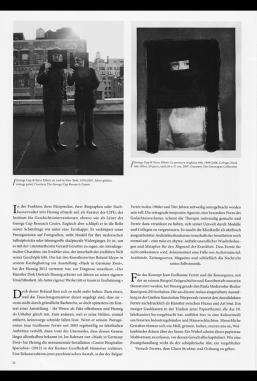
Dabei reicht ihre gemeinsame Geschichte bis in die 1950er Jahre
zurück, als beide an der Art Students League studierten und zu den
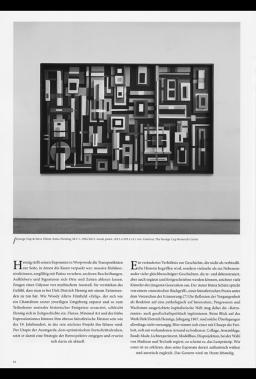
Protagonisten der New Yorker Kunstszene gehörten. Es existiert ein
bestechendes Foto von 1962, das George Cup im Gespräch mit Andy
Warhol zeigt: lächelnd, rauchend, in dunklem Anzug und Krawatte. „An
asshole, but a handsome one“, wird Warhol dazu gern zitiert. Als
Mitbegründer der Minimal Art sollen Cup und Elliott mit Lichtobjekten,
Malerei und Künstlerbüchern unter anderem in der Sammlung des
Whitney Museum of American Art und im Guggenheim Museum
vertreten gewesen sein, bevor Cup 1986 für den Mord an seinem
Partner verurteilt wurde und für zwei Jahrzehnte ins Gefängnis ging.
„As a consequence, the oeuvre of these two artists […] was almost
completely erased“, heißt es auf der Homepage des George Cup
Research Center New York / Hannover, das die Karriere des Duos
anhand von Interviews, Kurzfilmen und dem kompletten Werkver-
zeichnis dokumentiert.(3) Doch Cup und Elliott sind Fantasiegestalten,
ihre Biographie ist Fiktion. Die Tate Modern und das Centre Pompidou
allerdings haben ihr Werk tatsächlich präsentiert.
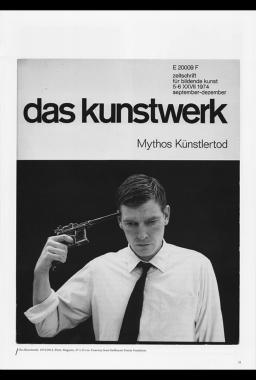
„Geschichtsintervention“ nennt Dirk Dietrich Hennig seine Strategie,
fiktive Künstler und ihr Œuvre in die Kunstgeschichte einzuschmuggeln,
was er mit einer detailversessenen Gewissenhaftigkeit betreibt, die es
erschwert, seine Manipulationen zu durchschauen. Weil die erfundenen
Quellen mit der Zeit zwangsläufig authentische Quellen hervorbringen
und die egalitäre Struktur des Internets mit seinen digitalen Datenban-
ken jede Art historischer Zuordnung plausibel erscheinen lässt, führen
die von Hennig einmal implantierten Gestalten ein virulentes, sich
selbst beglaubigendes Eigenleben. Auf diese Weise hat der fiktive
slowenische Dichter Victor N. Gaspari den Weg in einen Slowenien-
Reiseführer gefunden.(4) Der Fall des Mörders Alphons Erhard Schlitz,
der laut Hennig an der Eisenbahnstrecke Worpswede/Bremen fünf
Mädchen mit Namen Paula getötet haben soll, wird zur Grundlage
eines „auf wahren Begebenheiten beruhenden“ historischen Romans
von Hans Garbaden.(5) Und die Internet Movie Database weist die
Musik des Komponisten Gustav Szathmáry (1867-1907), den Hennig
mit einem tragischen Leben und einer Liebesaffäre mit Paula
Modersohn-Becker ausgestattet hat, als Soundtrack des portu-
giesischen Kurzfilms „Flor e Eclipse“ (2013) aus.(6) Fakten und Fiktion
gehen eine symbiotische Beziehung ein.
Die kulturkritische Qualität, die Hennigs Geschichtsinterventionen
auszeichnet, offenbart sich bei ihrer Entlarvung. Einmal aufgedeckt,
verraten die Manipulationen Entscheidendes über den Kunstbetrieb.
Sie geben Auskunft darüber, welche Kriterien von Originalität und
Echtheit gegenwärtig ausschlaggebend sind, welche Erwartungs-
haltungen und kuratorischen Zwänge das System beherrschen. Der
Trend etwa, Künstler jenseits des Mainstreams auszustellen oder
posthum erst zu entdecken, ist lange schon zu konstatieren.
Massimiliano Gionis Venedig Biennale 2013 war nur der spektakuläre
Höhepunkt einer Entwicklung, die den Autodidakten, Schamanen und
gesellschaftlichen Outsidern rückwirkend einen Platz auf dem Kunst-
olymp einräumt. Dabei scheint die Lust an der Korrektur der
Kunstgeschichte auch durch einen moralischen Impetus befeuert. Eine
Zeit, in der der Kunstmarkt mit allen hässlichen Nebenwirkungen
boomt, in der Giganten wie Koons und Hirst effektvoll die Marketing-
mechanismen bedienen und Großgaleristen sich vor Gericht wegen
betrügerischer Spekulationen verantworten müssen, bringt eben auch
eine Gegenbewegung hervor: Die Rehabilitierung der Erfolglosen,
Entrechteten, Vergessenen. Dirk Dietrich Hennigs Affinität zu
Autodidakten, chronisch Kranken oder unschuldig strafrechtlich
verurteilten Künstlern trifft also den Geist der Zeit.
In der Funktion ihrer Fürsprecher, ihrer Biographen oder Nachlass-
verwalter tritt Hennig oftmals auf, als Kurator des CIFG, des Instituts für
Geschichtsinterventionen, ebenso wie als Leiter des George Cup
Research Center. Zugleich aber schlüpft er in die Rolle seiner
Schützlinge wie unter eine Tarnkappe. Er verkörpert seine
Protagonisten auf Fotografien, steht Modell für ihre malerischen
Selbstporträts oder lebensgroßen skulpturalen Widergänger. Er ist, um
es mit der Literaturtheorie Gérard Genettes zu sagen, ein
intradiegetischer Charakter, ein Erzähler also, der innerhalb der
erzählten Welt seiner Geschöpfe lebt. Das hat den Kunsthistoriker
Roland Meyer in seinem Katalogbeitrag zur Ausstellung „Made in
Germany Zwei“, bei der Hennig 2012 vertreten war, zur Diagnose
veranlasst: „Der Künstler Dirk Dietrich Hennig arbeitet seit Jahren an
seiner eigenen Unsichtbarkeit. Als Autor eigener Werke tritt er kaum in
Erscheinung.“
Doch dieser Befund lässt sich so nicht mehr halten. Zum einen, weil die
Täuschungsmanöver derart angelegt sind, dass sie – wenn nicht durch
gründliche Recherche, so doch spätestens im Kontext einer Ausstellung
– ihr Wesen als Fake offenbaren und Hennig als Urheber gleich mit.
Zum anderen, weil er seine Helden, einmal entlarvt, keineswegs
schnöde fallen lässt. Wenn er seinem Protagonisten Jean Guillaume
Ferrée seit 2003 regelmäßig zu fabelhaften Auftritten verhilft, dann trotz
des Umstandes, dass dessen Genese längst allenthalben bekannt ist.
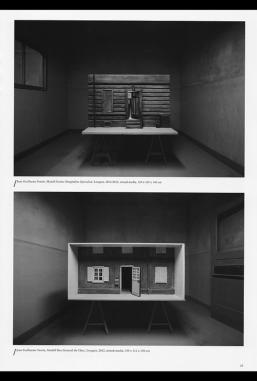
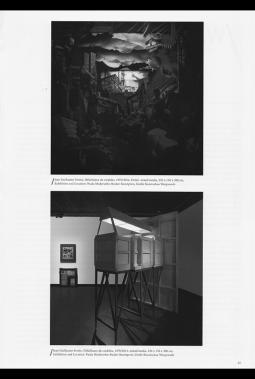
Im Rahmen von „Made in Germany Zwei“ hat Hennig die monumentale
Installation „Centre Hospitalier Spécialisé“ (2012) in der Kestner
Gesellschaft Hannover realisiert. Eine Rekonstruktion jener
psychiatrischen Anstalt, in der der Belgier Ferrée in den 1960er und
70er Jahren zeitweilig untergebracht worden sein soll. Die retrograde
temporäre Agnosie, eine besondere Form des Gedächtnisverlustes,
scheint die Therapie notwendig gemacht und Ferrée dazu veranlasst zu
haben, sich seiner Umwelt durch Modelle und Collagen zu
vergewissern. So taucht die Klinikzelle als akribisch ausgearbeiteter
Architekturbaukasten innerhalb der Installation noch einmal auf – ein
mise en abyme, Auftakt unendlicher Wiederholungen und Metapher für
den Abgrund der Krankheit. Dass Ferrée ihr nicht entkommen ist,
dokumentiert eine Fülle von Archivmaterial: Arztbriefe, Zeitungscover,
Magazine und schließlich die Nachricht seines Selbstmords.
Für das Konzept Jean Guillaume Ferrée und die Konsequenz, mit der
an seinem Beispiel Zeitgeschichte und Kunstbetrieb souverän
thematisiert werden, hat Hennig gerade den Paula Modersohn-Becker
Kunstpreis 2014 erhalten. Die aus diesem Anlass eingerichtete
Ausstellung in der Großen Kunstschau Worpswede verortet den
Autodidakten Ferrée nachdrücklich als Künstler zwischen Fluxus und
Art brut. Ein riesiger Guckkasten in der Tradition jener Papiertheater,
die das 19. Jahrhundert hervorgebracht hat, entführt hier in eine
Kulissenwelt aus bizarren Industriegebäuden und Häuserschluchten.
Menschliche Gestalten türmen sich wie Müll, grinsen, lachen, starren
uns an, Wolkenbänder dräuen über der Szene. Ein Wirbel scheint
dieses papierene Multiversum zu erfassen, vor dessen Gewalt alles
kapituliert. Wie eine Zwangshandlung wirkt da der schöpferische Akt,
ein vergeblicher Versuch Ferrées, dem Chaos Struktur und Ordnung zu
geben.
Hennig stellt seinen Exponaten in Worpswede die Transportkisten zur
Seite, in denen die Kunst verpackt war: Massive Holzkonstruktionen,
sorgfältig mit Patina versehen, an deren Beschriftungen, Aufklebern
und Signaturen sich Orte und Zeiten ablesen lassen. Zeugen einer
Odyssee von mythischem Ausmaß. Sie verstärken das Gefühl, dass
man es bei Dirk Dietrich Hennig mit einem Zeitreisenden zu tun hat.
Wie Woody Allens Filmheld „Zelig“, der sich wie ein Chamäleon seiner
jeweiligen Umgebung anpasst und so zum Teilnehmer zentraler
historischer Ereignisse avanciert, schleicht Hennig sich in
Zeitgeschichte ein. Fluxus, Minimal Art und der frühe Expressionismus
können ihm ebenso künstlerische Heimat sein wie das 19. Jahrhundert,
in das sein nächstes Projekt ihn führen wird. Der Utopie der
Avantgarde, dem optimistischen Fortschrittsdenken, setzt er damit eine
Strategie der Retrospektive entgegen und erweist sich darin als aktuell.
Ein verändertes Verhältnis zur Geschichte, die nicht als verbindliche
Historie begriffen wird, sondern vielmehr als ein Nebeneinander vieler
gleichberechtigter Geschichten, die re- und dekonstruiert, aber auch
ergänzt und fortgeschrieben werden können, zeichnet viele Künstler
der jüngeren Generation aus. Der Autor Heinz Schütz spricht von einem
„mnestischen Rückgriff“, einer künstlerischen Praxis unter dem
Vorzeichen der Erinnerung.(7) Die Reflexion der Vergangenheit als
Reaktion auf eine pathologisch auf Innovation, Progression und
Wachstum ausgerichtete kapitalistische Welt mag dabei die
„Retromania“ auch gesellschaftspolitisch legitimieren. Beim Blick auf
das Werk Dirk Dietrich Hennigs, Jahrgang 1967, sind solche
Überlegungen allerdings nicht vorrangig. Hier nimmt sich einer mit
Chuzpe die Freiheit, sich am vorhandenen Arsenal zu bedienen.
Collage, Assemblage, Readymade, Lichtexperiment, Modellbau,
Diaprojektion – bei der Wahl von Medium und Technik regiert, so
scheint es, das Lustprinzip. Wie sonst ist zu erklären, dass seine
Exponate derart authentisch wirken und auratisch zugleich. Das
Gestern wird im Heute lebendig.
1 http://expcinema.com/site/en/tate-modern-square-line-and-light
2 https://www.centrepompidou.fr/cpv/resource/cTAG9p/rKaBnK7
3 http://www.georgecupresearchcenter.com
4 Vgl. Klaus Schameitat, Slowenien. Zwischen Alpen, Adria und
Pannonischem Tiefland. Berlin: Trescher 2012, S. 213.
5 http://www.altona.info/2010/03/26/premierelesung-paulas-tochter-ein-
historischer-kriminalfall-aus-bremen-und-worpswede/
6 http://www.imdb.com/name/nm6800522/
7 Heinz Schütz, Jenseits von Utopie und Apokalypse? In: Kunstforum
international. Bd. 123 (1993), S. 64.